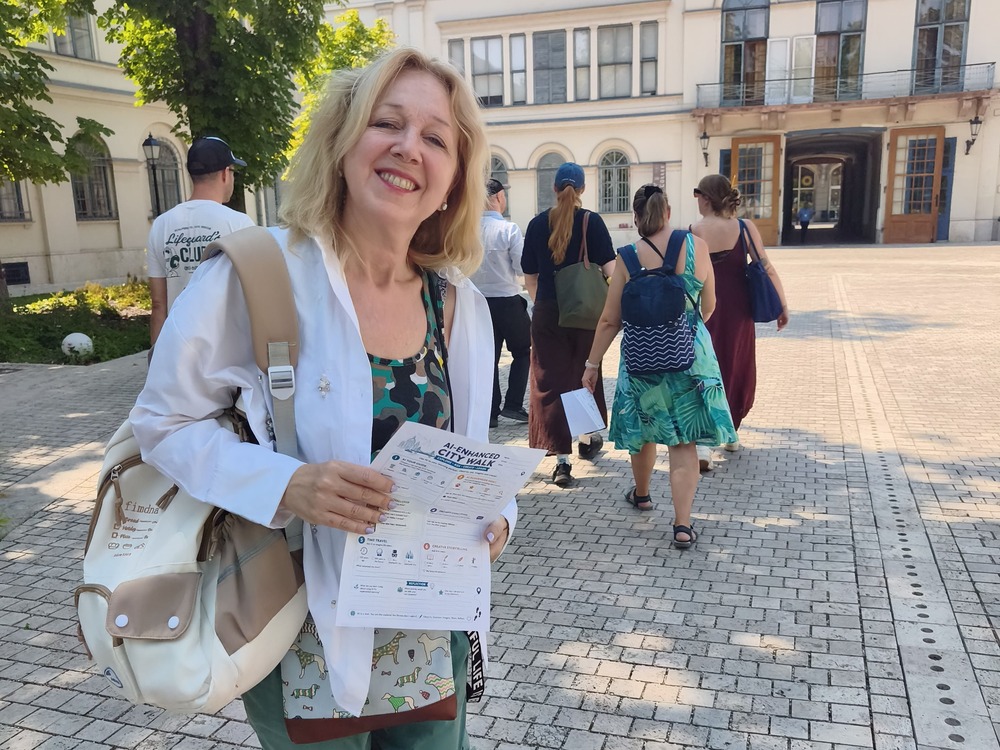
Erasmus+ in Budapest was the latest international experience for Irene Espriu, a teacher at Monlau ESOBAT. This summer, she took part in a training course on artificial intelligence, experiential learning and new educational methodologies.
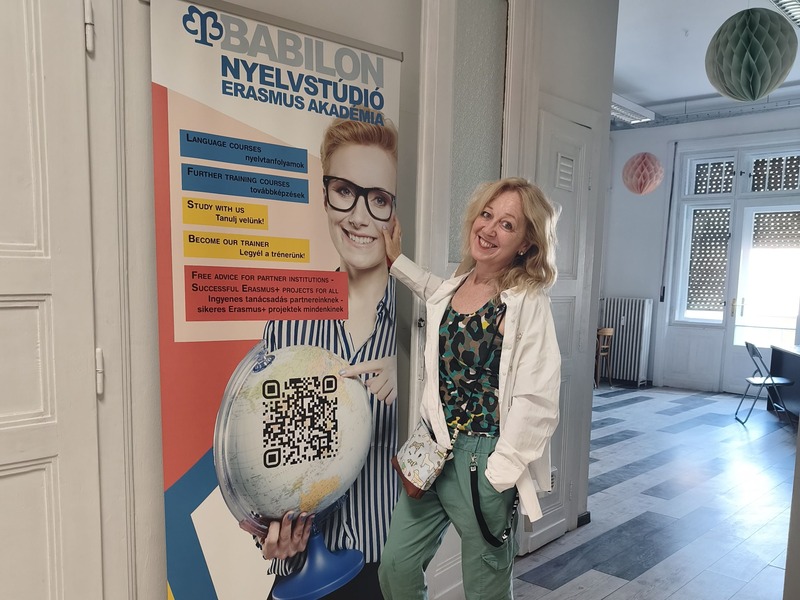
The course, entitled ‘AI-Powered Experiential Learning in Budapest through History, Culture and Nature’, was taught by Viktor Koch at Babilon Erasmus Academy.
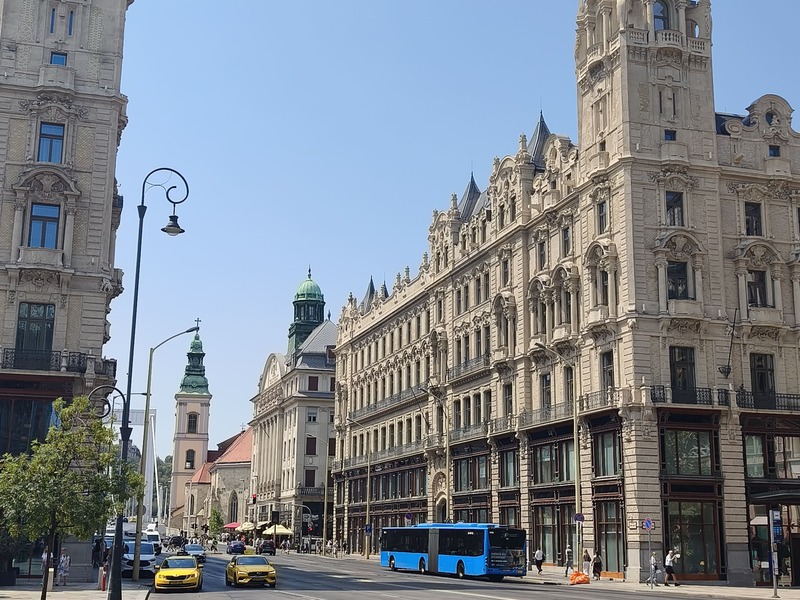
The course combined artificial intelligence, heritage, culture and activities in various locations around the city. For a few days, Budapest became an extension of the classroom.
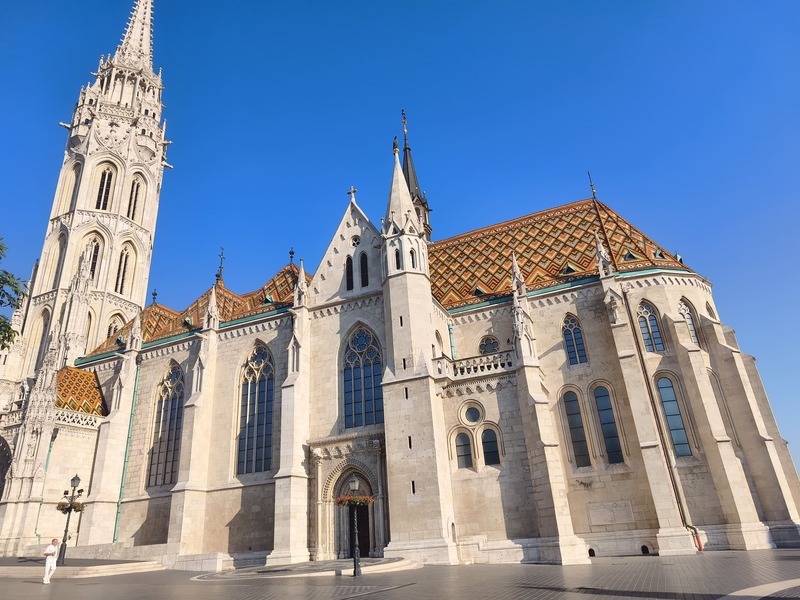
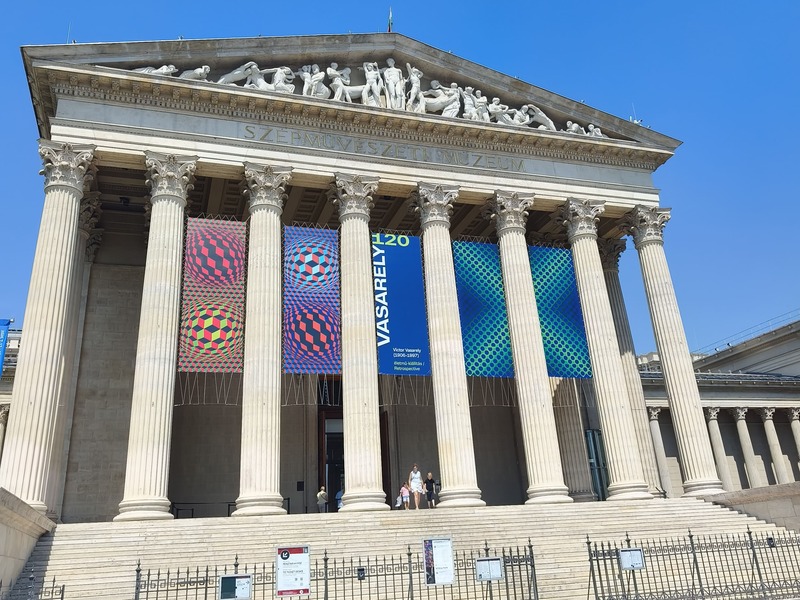
The Castle District, Matthias Church, Fisherman’s Bastion, the Museum of Ethnography, the Museum of Fine Arts, Margaret Island and the bridges over the Danube were some of the places she visited. There, Irene was able to explore, observe, experiment and create.
Beyond the tools she worked with, this experience gave her the opportunity to reflect on the role of artificial intelligence in education. For Irene, AI should not replace thinking. On the contrary, it can help to create more meaningful, critical and human learning experiences.
An Erasmus+ experience in educational innovation
The course demonstrated how to integrate artificial intelligence and digital tools into experiential learning programmes.
During the training, participants worked with tools such as ChatGPT, Gemini, Google Lens, Canva, GooseChase and Suno. All these tools were applied in real-life contexts relevant to their working environment.
However, Irene points out that the most important lesson was not discovering new tools. The most valuable aspect was reflecting on how and why to use them in the classroom.
This educational perspective is key. It enables us to use artificial intelligence in a way that makes pedagogical sense and prevents technology from becoming an end in itself.
Budapest as an extension of the classroom
One of the most rewarding aspects of this experience was using the city as a learning environment.
Budapest became an open-air classroom, where history, culture, architecture and nature served as a starting point for research and the generation of knowledge. This approach made it possible to link the subject matter to direct observation, teamwork and the interpretation of the environment.
Experiential learning is based precisely on this idea: learning through experience, through engagement with reality and through subsequent reflection. In this case, each place visited became an opportunity to ask questions, analyse information and develop new educational proposals.
In this way, the course demonstrated how the environment can become a highly valuable teaching resource when combined with a purposeful pedagogical approach and tools that broaden the scope for exploration.
Artificial intelligence in the classroom: more than just a tool
Artificial intelligence raises new questions for education.
Nowadays, a student can find an answer, generate a text or create an image in a matter of seconds. That is why the challenge for teachers is no longer simply to teach students how to find answers.
It is becoming increasingly important to help pupils ask good questions, verify information, spot errors and biases, put forward arguments and develop their own judgement.
In this context, the teacher’s role does not lose its importance. On the contrary, it becomes even more essential.
Technology can provide information and open up new creative possibilities. However, it is still the teacher who designs meaningful experiences, sparks curiosity and guides learning.
An activity to look at more closely
One of the most memorable experiences of the course took place at the Museum of Fine Arts, where the GooseChase tool was used to carry out an activity based on missions, observation and images modified using artificial intelligence.
Participants had to locate artworks, observe details, compare images, discuss as a team and make decisions. In this case, the technology made sense because it did not replace the experience, but rather helped them to look more closely.
This activity summarises one of the key ideas that Irene Espriu has taken away from the training course:
experience → curiosity → question → research → thought → creation
Artificial intelligence can accompany this journey, enrich it and open up new possibilities. However, it should not replace the process of observation, reflection and meaning-making that forms part of deep learning.
Education in the age of artificial intelligence
The Erasmus+ experience in Budapest raised new questions about the future of education and the role of artificial intelligence in the classroom.
Education in the age of AI does not mean competing with what a machine can do. Rather, it involves strengthening precisely those qualities that make us human: curiosity, judgement, creativity, the ability to connect ideas, communication, collaboration and critical thinking.
These skills are essential to ensure that pupils are not merely consumers of information, but active participants in their own learning.
From this perspective, technology can become an ally when it is integrated in a meaningful way, with clear objectives and an educational approach centred on the holistic development of pupils.
An international experience with an impact in the classroom
Irene Espriu’s participation in this Erasmus+ training programme reinforces Monlau ESOBAT’s commitment to educational innovation. It also highlights the importance of continuous professional development for teachers and international experiences.
Irene returns from Budapest with tools, resources and ideas that can be applied in the classroom. But, above all, she returns with new pedagogical questions.
Education in the age of artificial intelligence is not just about learning to use new technologies. It also involves guiding pupils to think more effectively, ask better questions and develop their own judgement.
As she herself points out following this experience:
“Perhaps education in the age of artificial intelligence will not be about competing with what a machine can do, but rather about reinforcing precisely what makes us human: curiosity, judgement, creativity, the ability to connect ideas, communication, collaboration and critical thinking.”
This is one of the most valuable insights Irene has taken away from Budapest. And she will now be able to apply it to her teaching practice at Monlau ESOBAT.